

- Extreme Wetterlagen: Der Klimawandel macht sich weltweit immer stärker bemerkbar.
- Wie Hausbesitzer und Eigentümer schlau gegen die Folgen vorsorgen können.
- 76 Tipps für konkrete Maßnahmen gegen den Klimawandel entdecken!
Klimaschutz beginnt zuhause. Setze bewusst auf CO2 arme Technologien zum Heizen, Kühlen, Lüften und Dämmen. Reduziere Deine Emissionen von Treibhausgasen.
Hab emissionsarme und umweltfreundliche Konzepte beim Bauen, Leben und Wohnen fest im Blick. Stelle Deinen individuellen Verkehr auf gesündere Füße.
Klimaschutz geht uns alle an! Beim Klimaschutz sollten wir alle noch viel mehr Initiative übernehmen. Denn Klimaschutz ist mehr als Verantwortung für irgendein übergeordnetes Wohl mitzutragen.
Mit konsequentem Klimaschutz schützt Du zuallererst einmal nachhaltig Deine Gesundheit und Dein Eigentum – Dein Einfamilienhaus, Deine Eigentumswohnung, Dein Ferienhaus, Deine Immobilie.

Klimaschutz: Warum das Thema für Eigentümer so wichtig ist?
Milde Winter, sprunghafte Sommer, Starkregen, Überschwemmungen, Dürre, Trockenheit und Hitzewellen: Mit dem Klimawandel haben inzwischen wohl die meisten Menschen auch in Deutschland bereits persönlich Bekanntschaft geschlossen. Der Klimawandel scheint nicht mehr aufzuhalten zu sein, zumindest nicht komplett.
Dabei ist man in den hiesigen Breitengraden gegen Kühle und Kälte traditionell noch besser gewappnet als gegen Hitze und Trockenheit. Mittlerweile überrollen aber fast jedes Jahr extreme Hitzewellen mit Temperaturen von über 40 Grad Celsius Deutschland. Solche Extreme des Klimawandels machen Mensch und Umwelt schwer zu schaffen. Sie beeinträchtigen zudem Wirtschaft und Unternehmen negativ.
„Ob wir gemeinsam unsere Klimaziele erreichen, bleibt ungewiss. Versuchen und zwar mit aller Kraft sollten wir es aber zumindest. Die zwei Grad sind wir den Menschen der Zukunft schuldig.“
Auch wenn es einige Menschen entgegen jeder Erkenntnis der Wissenschaft immer noch leugnen. Die internationale Klimakrise hat längst begonnen. Dabei sind die Ziele sind nach Paris 2015 zumindest grob definiert. Bei der maßgebenden UN Klimakonferenz beschloss die Politik aus allen teilnehmenden Ländern die Begrenzung der globalen Erwärmung auf deutlich unter zwei Grad, besser noch 1,5 Grad Celsius im Vergleich zum Stand des vorindustriellen Zeitalters.
Verminderung der Treibhausgasemissionen, Absenkung der Erderwärmung, weniger Verbrauch von Ressourcen, Förderung erneuerbarer Energien, weniger Verschmutzung der Umwelt… am Ende sollen alle Themen und Ziele auf ein Ziel einzahlen: eine lebenswerte Umwelt in einem menschenfreundlichen Klima sicherzustellen!
Stress und Folgen durch Hitze:
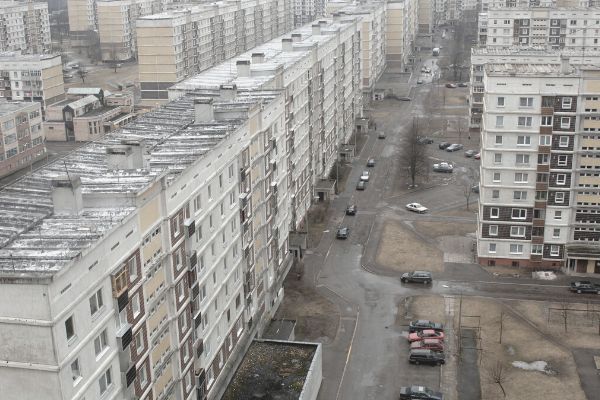
Ganz besonders hart treffen Hitzeperioden hierzulande häufig die Menschen, die im Winter eher noch vom Gegenteil der traditionell aufs Heizen ausgelegten deutschen Baukultur profitieren – die Menschen in der Stadt. Die Entwicklung der Flucht in die Ballungszentren wirkt sich teils ebenfalls negativ im Sinne des Klimawandels aus.
Dabei sind die baulichen Gründe für den zunehmenden Hitzestress auf nationaler Ebene oft konsequent selbst gemacht. Denn:
- Die Wärme hält sich viel besser in massiv errichteten Betonbauten und Betonflächen mit wenig Grün dazwischen.
- Die ansteigende Flächenversiegelung mit Straßen, Wegen und Plätzen aus Asphalt, Stein, Schotter, Kies bzw. wiederum Beton tut ihr Übriges.
- Die Nachverdichtung mit weiteren Bauten in ehemaligen Baulücken, die durch steigende Immobilienpreise noch an Attraktivität gewinnt, komplettiert den ungesunden Hitzekreislauf.
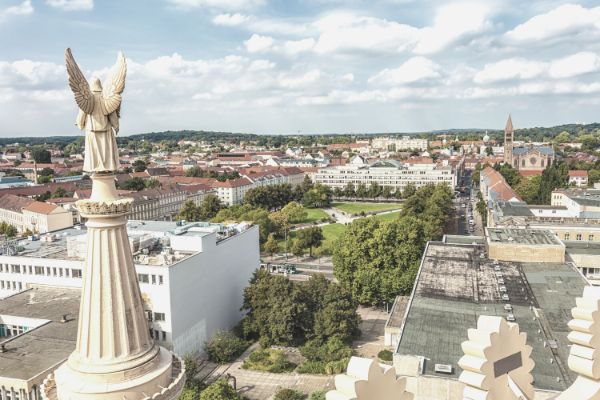
Das Ergebnis lautet: Die Hitze wird zuweilen unerträglich. Mensch und Umwelt wünschten sich geradzu händeringend ein bisschen mehr Kühle und Luft zum Atmen. Klimaschützer fordern deshalb zum Beispiel schon seit Jahrzehnten eine grünere Stadtplanung. Pflanzen reinigen nämlich nicht nur die Luft. Pflanzen regulieren auch Feuchte und Temperatur der Luft.
Möglichst viele gesunde Pflanzen gehören fest zum Klimaschutz dazu. Wo nicht ausreichend Pflanzen zum Regulieren da sind, wird nichts reguliert, zumindest nicht auf natürliche und nachhaltige Art und Weise. Auch Eigenheimbesitzer wissen: Ein grünes Grundstück mit Garten sieht nicht nur toll aus. Es spendet zudem ein lebenswerteres Mikro-Klima zum Wohlfühlen.

Folgen und Schäden durch Starkregen und Überschwemmungen:
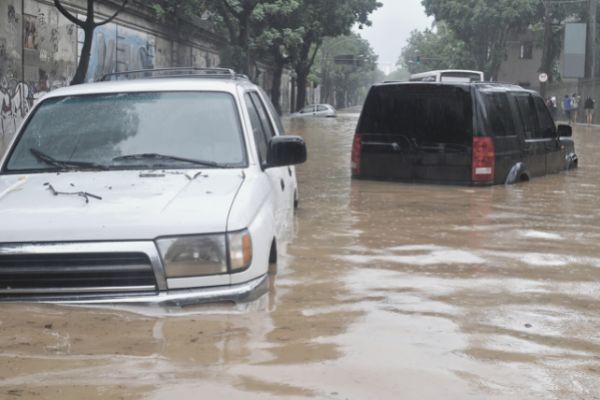
Weiter zunehmend sind ebenfalls die Starkregenphasen. Folgt auf wochenlangen Sonnenschein, wie ihn jeder Radiosender freudig als „schönes Wetter“ vermeldet, irgendwann der Starkregen, hat das ebenso Konsequenzen. Weniger gilt das für stabile deutsche Dächer. Denen kann ein kleiner Sturm, der mit dem Starkregen oft einhergeht, meist wenig anhaben.
Sehr viel mehr Schäden verursacht der Starkregen an anderer baulicher Infrastruktur. Keller laufen voll. Feuchtigkeit drückt durch ansonsten tadellose Fensterdichtungen. Oder Grundstücke in Wassernähe werden beispielsweise durch Bäche, die sich in Minuten in reißende Flüsse verwandeln, gänzlich zur Wasserlandschaft.
Auch hier sind die baulichen Gründe für den Stress bei der Bewältigung großer Wasserabflüsse häufig sprichwörtlich hausgemacht: Denn:
- Alten Flussläufen wurde durch ihre Begradigung die Fähigkeit genommen, überschüssiges Wasser in Sicken und Mulden in offenen Boden abzuleiten.
- Im städtischen Raum und auf etlichen privaten Grundstücken sind viel zu viele Flächen versiegelt. Versiegelte Flächen können kein Wasser aufnehmen. Sickerflächen? Fehlanzeige! Doch irgendwohin muss das Wasser, selbst dann, wenn es die Kanalisation nicht mehr schafft.
- Zig Einfamilienhäuser werden immer noch bewusst mit vollem Risiko in natürliche Überflutungsgebiete gebaut. Oder beim Bau des Eigenheims ignorieren die Bauherren konsequent das Gefälle des Grundstücks und die Dichtigkeit von Bodenwanne und Kellerfenstern gleich mit.
Wer aber den Lauf des Wassers ignoriert, das immer irgendwann kommt, dem ergeht es wie denen, die den Lauf der Zeit verkennen. Die Realität holt sie ein. Grundstücke und Infrastruktur, die schon bei der Planung berücksichtigen, dass es nur im Einklang mit Klima und Wetter geht, kommen dagegen mit trockenen Füßen auch durch Starkregenperioden.
Klimawandel pragmatisch: Gegen die Folgen kann man etwas unternehmen!
Apropos Planung: Den Klimawandel zurückzudrehen oder gar zurück zu drehen, ist vielleicht nicht mehr möglich. Sehr wohl möglich ist es aber, den Klimawandel durch Klimaschutz zu verlangsamen und vor allem, sich mit den Auswirkungen des Klimawandels zu arrangieren. Hierbei legen wir den Fokus bewusst auf die Millionen kleiner Haushalte und privaten Eigentümer in Deutschland.
Denn die vielen Projekte von der Bundesregierung, den Ministerien des Bundes und der Länder, von den Kommunen sowie der EU Kommission sind zwar sicherlich hilfreich. Die öffentlichen Förderprogramme beim Bauen und Sanieren setzen wichtige Anreize für Bauherren, Industrie und Wirtschaft. Doch Klimaschutz ist nicht allein Sache der Umwelt-, Wirtschafts- oder Klimapolitik.
„Das Wort Maßnahmen kommt von Maß nehmen. Wer ein Ziel wie den Klimaschutz verfolgt, kann auch persönlich und individuell gut Maß für eigene Maßnahmen nehmen. Mach Deine eigene Klimapolitik!“
Wer mit echter Nachhaltigkeit bauen und sanieren will, tut das in erster Linie aus Überzeugung, nicht allein der ökonomischen Anreize einer Förderung der allgemeinen Klimapolitik wegen. Wer seine Gesundheit und sein Eigentum im Einklang mit dem Klima nachhaltig schützen will, der ist in dem Bereich selbst seine beste Klimaschutzinitiative. Wer Klimaschutz versteht, der schützt das Klima schon allein aus Eigeninteresse!
Welche Folgen können Hausbesitzer beim Klimawandel einplanen?
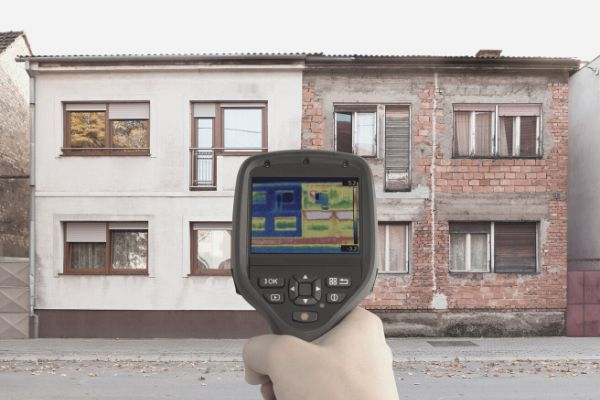
Energieeffizienz: Wer energieeffizient baut, der tut nicht nur etwas gegen den Klimawandel, sondern vor allem für sich selbst. Energieeffiziente Gebäude mit guter Dämmung schützen Dich vor zu hohen Verbrauchskosten. Dazu minimieren Sie Deine Abhängigkeit von Engpässen bei der Energieerzeugung und beim Verbrauch fossiler Brennstoffe, die ohnehin meist nicht aus Deutschland stammen.
Auf dem sonnenreichen Dach produziert Solartechnik wie eine private Photovoltaik-Anlage prima eigenen Strom. Günstige Solarthermie-Kollektoren können bis zu 100 Prozent Deiner Versorgung mit Warmwasser sicherstellen. Kleine Windkraftanlagen liefern ebenfalls erneuerbare Energien. Mit erneuerbaren Energien wiederum kannst Du easy Deine nachhaltige Heizung wie zum Beispiel eine Wärmepumpe betreiben.
Schutz vor allen Wetterlagen: Die bereits genannten Hitzeperioden und Starkregenphasen nehmen ebenso zu wie Stürme und andere extreme Wetterlagen. Schütze Dein Eigentum und Deine Gesundheit, indem Du Dich darauf einstellst. Versiegele Dein Grundstück beispielsweise nicht zu stark, so dass starke Niederschläge gut ablaufen und versickern können.
Baue Dein Haus nicht in natürliche Senken und Mulden. Dichte Deine Bodenwanne samt Keller gut ab gegen Feuchtigkeit. Bepflanze Deinen Garten reichhaltig mit Büschen, Bäumen und Gehölzen. Auch horizontales Grün draußen am Haus wirkt Wunder für das Raumklima innen. Ein kleiner englischer Rasen allein zwischen mehreren Garagen und zig Kieswegen ist keine ausreichende grüne Lösung.
Smarte Technik zum Heizen, Kühlen und Lüften: Setze schon bei der Planung bewusst auf smarte, moderne und konkrete Lösungen zum Heizen, Kühlen und Lüften. Eine zentrale Klimaanlage oder zumindest eine moderne Multi-Split-Klimaanlage kühlt effizient während der zunehmend heißeren Sommermonate.
Im Winter kannst Du mit ihr dank selbst erzeugtem Solarstrom sogar Deine Heizung unterstützen.Bei der Hauptheizung setze künftig lieber ebenso auf erneuerbare Energieträger, die Dich unabhängiger von Treibhausgasemissionen wie CO2 machen. Neben der bereits erwähnten Wärmepumpe gibt es dafür auch sehr smarte Biomasse- und Holzheizungen.
Förderung: Nur, weil man nicht allein der Förderung wegen etwas für das Klima tut, heißt das nicht, dass man auf Förderung vom Staat verzichten sollte. Wenn der Staat, das Bundesland, die Kommunen oder andere öffentliche Träger der Klimaschutzpolitik Dir wirtschaftliche Vorteile bieten für die Nutzung einer besonders erwünschten Technologie zur Energiewende, dann nutze diese!
Nachhaltige Technologien kommen schließlich nicht nur Deinem Geldbeutel bei den laufenden Kosten zugute, sondern auch dem Klimaschutz. Doch oft ist die Anpassung an diese Technik noch relativ teuer bei der Anschaffung. Fördermöglichkeiten wie zum Beispiel Zuschüsse und Kredite für die neue Heizung helfen Dir, Deine Anfangsinvestitionen zu senken.
Klimaschutz in unserem Überblick
Wenn Du Dich über Fragen und Antworten zum Klimaschutz informieren möchtest, interessieren Dich sicherlich ähnliche Themen wie viele andere Eigentümer, Häuslebauer und Wohnungsinhaber. Unserer Erfahrung nach sind das neben der Förderfähigkeit bestimmter Maßnahmen wie Heizungen häufig vor allem folgende Rubriken von großem Interesse:
- Klimawandel Themen
- Nachhaltiges Bauen
- Initiativen Klimaschutz
Einige Aspekte, wie erste Empfehlungen für nachhaltiges Bauen, Themen rund um erneuerbare Energien oder praktische Tipps zu Einsparmöglichkeiten reißen wir hier auf dieser Seite schon an. Denn auch beim Klimaschutz hängt wie so oft wieder alles mit allem zusammen. Aus fast jedem Thema des Klimawandels lässt sich eine praktische Hilfestellung ableiten.
Was kannst Du bei welchem Problem unternehmen? Wer fördert was? Was bedeuten bestimmte Förderprogramme von Bundesregierung, Bundesministerium, Ministerium eines Landes oder der sonstigen öffentlichen Hand für Dich? Gibt es spannende Publikationen zu einem Thema? Welche Ziele kannst Du daraus für Dich ableiten? Das und noch viele Informationen mehr kannst Du in unseren Artikeln hier erfahren. Klick einfach auf den Link!
76 Tipps für den Klimaschutz im eigenen Heim
Klimaschutz ist nicht nur eine Sache, die allein im großen Rahmen funktioniert. Die Summe vieler Kleinigkeiten entscheidet ebenso. Mit jedem Gramm Kohlendioxid, dessen Erzeugung Du vermeidest, investierst Du quasi in Deine eigene Zukunft. Aktiver Klimaschutz fängt im Alltag an, ganz praktisch bei den kleinen Dingen zuhause!
Unterschätze zudem nicht Deine Macht als Konsument. Wenn viele Menschen bei ihren Kaufentscheidungen ähnliche Verhaltensweisen an den Tag legen, wird aus wenigen Prozent Einfluss schnell eine Marktmacht. Die Abstimmung über den Klimaschutz findet jeden Tag in Deutschland auch an der Kasse im Supermarkt, in der Drogerie oder im Baumarkt statt.
Deshalb hier für Dich 76 Tipps und Tricks für den alltäglichen Klimaschutz, gegen Verschwendung von Energie und für weniger Treibhausgase in der Luft (von A-Z):
| Maßnahmen | Folgen und Empfehlungen |
| Akkugeräte richtig verwenden |
|
| Bio Produkte kaufen |
|
| bewusst heizen |
|
| bewusst kochen |
|
| bewusst kühlen |
|
| bewusst lüften |
|
| bewusste Mobilität |
|
| bewusst Wäsche waschen |
|
| bewusste Wassernutzung |
|
| Büroarbeit optimieren |
|
| Flüge vermeiden |
|
| Gartenarbeit lieber manuell |
|
| gefrorene Lebensmittel vor dem Kochen auftauen |
|
| Duschen anstatt Baden |
|
| Gebäude dämmen |
|
| Heizung regelmäßig warten |
|
| Kauf neuer Geräte |
|
| Kinder sensibilisieren |
|
| Kühlschrank & Gefrierschrank richtig nutzen |
|
| Nachfüllpackungen kaufen |
|
| Mehrwegbehälter benutzen |
|
| Recyclen und Recyclingprodukte bevorzugen |
|
| regionale Produkte wählen |
|
| richtig Geschirr spülen |
|
| sparsame Raumbeleuchtung |
|
| Wasserstop an der Toilette benutzen |
|
| Standby Modus vermeiden |
|
| weniger Fleisch essen |
|
Feedback Hinweis
Sollten Dir noch weitere praktische und nützliche Tipps bekannt sein, die dem Klimaschutz helfen und die Treibhausgasemissionen senken, allen voran die aus CO2, kontaktiere uns bitte. Gerne nehmen wir Deine Anregungen und Hinweise auf. Wir sind immer bestrebt, unsere Informationen für den Verbraucher noch besser zu machen. Vielen Dank, dass Du uns dabei hilfst!